
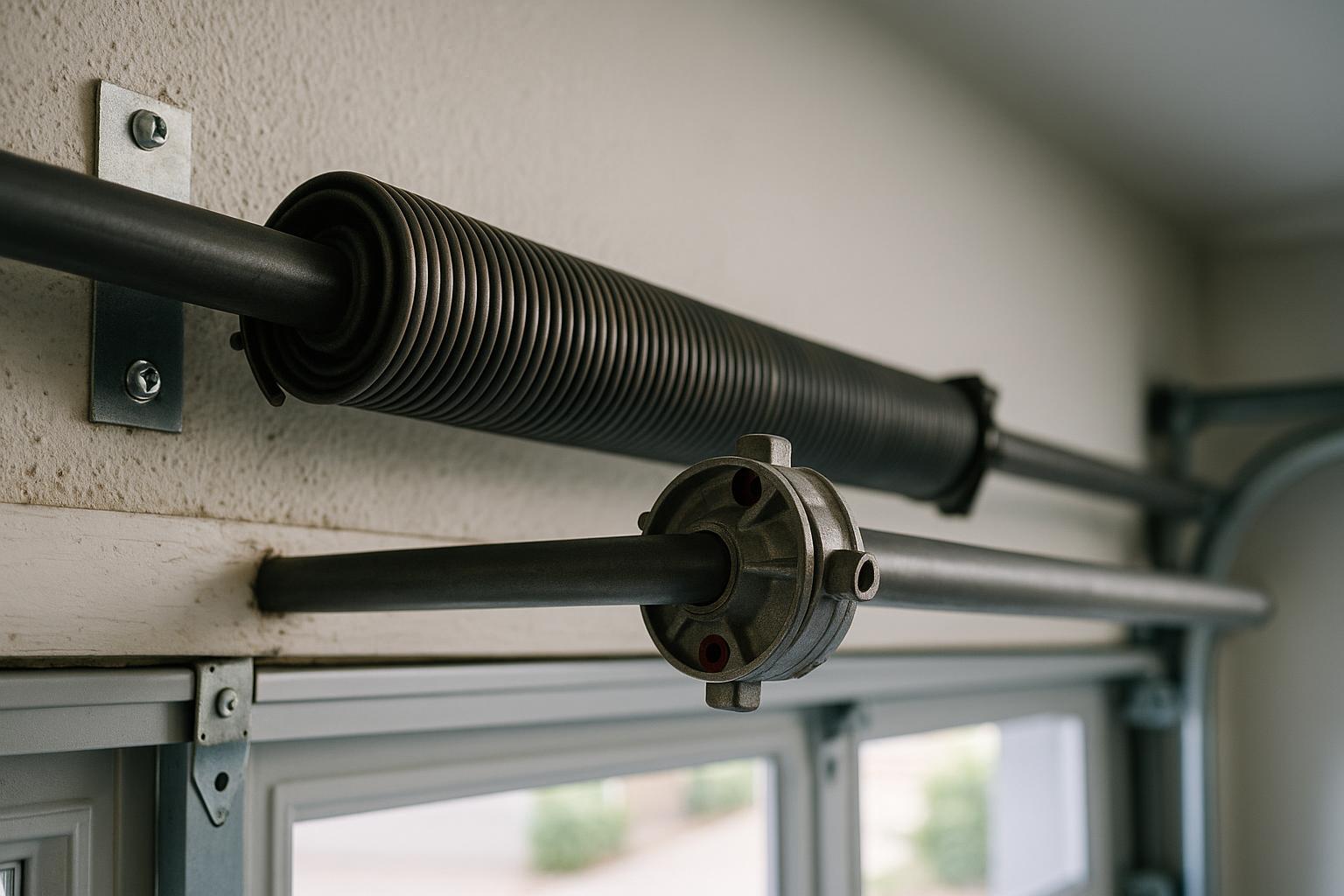
Your Garage Door Springs Are Doing More Work Than You Think
Every time you open and close your garage door, the springs are doing the heavy lifting — literally. A standard two-car garage door can weigh between 150 and 250 pounds, and without properly functioning springs, your garage door opener alone can't handle that load. Springs are the unsung heroes of your garage door system, and like any hardworking component, they eventually wear out.
For homeowners in Union City, where daily commutes and busy schedules mean your garage door might cycle four to six times a day, understanding spring lifespan and replacement timing is essential. A broken spring isn't just an inconvenience — it can leave your car trapped inside, compromise your home's security, or even cause a serious injury.
How Long Do Garage Door Springs Last?
The lifespan of a garage door spring is measured in cycles. One cycle equals one full open-and-close sequence. Most standard garage door springs are rated for approximately 10,000 cycles. Here's what that looks like in real-world terms:
- 2 cycles per day: Approximately 13-14 years
- 4 cycles per day: Approximately 7 years
- 6-8 cycles per day: Approximately 3-5 years
If you have a busy household — maybe teenagers driving, a home business with frequent deliveries, or you use your garage as your main entry point — your springs are working overtime. Families in Union City and surrounding areas like Fremont, Hayward, and Newark often fall into that higher-use category, which means springs may need attention sooner than expected.
High-Cycle Springs: A Worthwhile Upgrade
If you're tired of replacing springs every few years, consider upgrading to high-cycle springs rated for 25,000 or even 50,000 cycles. They cost more upfront, but they can last two to five times longer than standard springs, saving you money and hassle in the long run.
The Two Types of Garage Door Springs
Before we talk about warning signs, it helps to understand the two main types of springs used in residential garage doors:
Torsion Springs
These are mounted horizontally above the garage door opening. They use torque to lift the door and are the most common type found in modern garage doors. Torsion springs are generally considered safer and longer-lasting than extension springs.
Extension Springs
These run along the horizontal tracks on either side of the door. They stretch and contract to provide lifting force. Extension springs are more common in older homes and lighter single-car doors. They should always have safety cables running through them to prevent a dangerous whipping motion if they break.
Regardless of which type your home has, both will eventually need replacement. Knowing what to look for can help you address the issue before it becomes an emergency.
Warning Signs Your Garage Door Springs Need Replacement
Springs rarely fail without some advance warning. Here are the key signs to watch for:
1. The Door Feels Unusually Heavy
Try disconnecting your garage door opener by pulling the manual release handle, then lift the door by hand. A properly balanced door with healthy springs should feel relatively light and stay open about three to four feet off the ground. If the door feels extremely heavy or slams down when you let go, your springs are likely weakened or broken.
2. Visible Gaps in the Spring
A broken torsion spring will have a visible gap — usually a few inches — where the coil has separated. This is the most obvious sign that a spring has snapped. If you see this, do not attempt to operate the door. Call a professional immediately.
3. The Door Opens Unevenly or Crooked
If one spring has weakened more than the other, or if an extension spring on one side has broken, the door may rise unevenly. This puts extra strain on the opener and the remaining spring, which can lead to further damage.
4. Loud Bang from the Garage
Many homeowners in Union City have told us they heard a loud bang — like a firecracker — coming from their garage. That sound is almost always a torsion spring breaking. The energy released when a wound spring snaps is significant, which is exactly why spring replacement should never be a DIY project.
5. The Opener Struggles or Won't Lift the Door
If your garage door opener is straining, running but not lifting the door, or stopping partway up, worn springs could be the culprit. The opener is designed to guide the door, not lift its full weight. When springs fail, the opener takes on a load it wasn't built to handle, which can burn out the motor.
6. Rust and Corrosion on the Springs
Our Bay Area climate brings moisture, especially during the cooler months. Over time, that moisture can cause rust on your springs. Rust increases friction, weakens the metal, and shortens the spring's lifespan. Regular lubrication can slow this process, but heavily corroded springs should be replaced.
Why You Should Never Replace Garage Door Springs Yourself
We understand the appeal of DIY projects — there are plenty of home repairs that a handy homeowner can tackle on a weekend. Garage door spring replacement is not one of them. Here's why:
- Extreme tension: Torsion springs are wound under tremendous force. A spring that slips during installation can cause severe injuries or worse.
- Specialized tools required: Proper replacement requires winding bars, vice grips, and precise calibration tools that most homeowners don't have.
- Balancing is critical: Springs must be wound to the exact right tension for your specific door weight and size. Too much or too little tension creates safety hazards and premature wear on other components.
Professional technicians have the training, tools, and experience to replace springs safely and correctly. It's one of the most common services we perform for homeowners across Union City, Castro Valley, San Leandro, and the surrounding Tri-City area.
What to Expect During a Professional Spring Replacement
If you call a garage door professional for spring replacement, here's what the process typically looks like:
- Inspection: The technician will assess the type, size, and condition of your current springs, as well as the overall condition of your door and hardware.
- Recommendation: You'll receive a recommendation on spring type and cycle rating based on your usage patterns.
- Replacement: The old springs are carefully unwound and removed, and new springs are installed and precisely calibrated.
- Testing and balancing: The door is tested multiple times to ensure smooth, balanced operation. The technician will also check cables, rollers, and other hardware while they're there.
The entire process usually takes about an hour for a standard residential door.
Keep Your Springs Healthy with Regular Maintenance
You can extend the life of your garage door springs with a few simple maintenance habits:
- Lubricate springs every 3-4 months with a silicone-based or white lithium spray. This reduces friction and prevents rust.
- Schedule annual professional maintenance to catch wear before it becomes a failure.
- Listen for changes — squeaking, grinding, or popping sounds during operation can indicate spring fatigue.
- Test the balance of your door once or twice a year using the manual lift test described above.
Don't Wait for a Spring to Break
A broken garage door spring always seems to happen at the worst possible time — when you're rushing to work, heading out for school drop-off, or trying to get the car in before a rainstorm. Proactive replacement based on age and usage is always better than an emergency repair.
If your garage door springs are getting up there in age, or if you've noticed any of the warning signs we've discussed, don't wait. Union City Garage Door provides fast, professional spring replacement and garage door maintenance throughout Union City and the surrounding communities. We'll help you choose the right springs for your door, install them safely, and make sure everything is running smoothly before we leave.
Give us a call today to schedule an inspection or spring replacement. Your garage door — and your peace of mind — will thank you.