
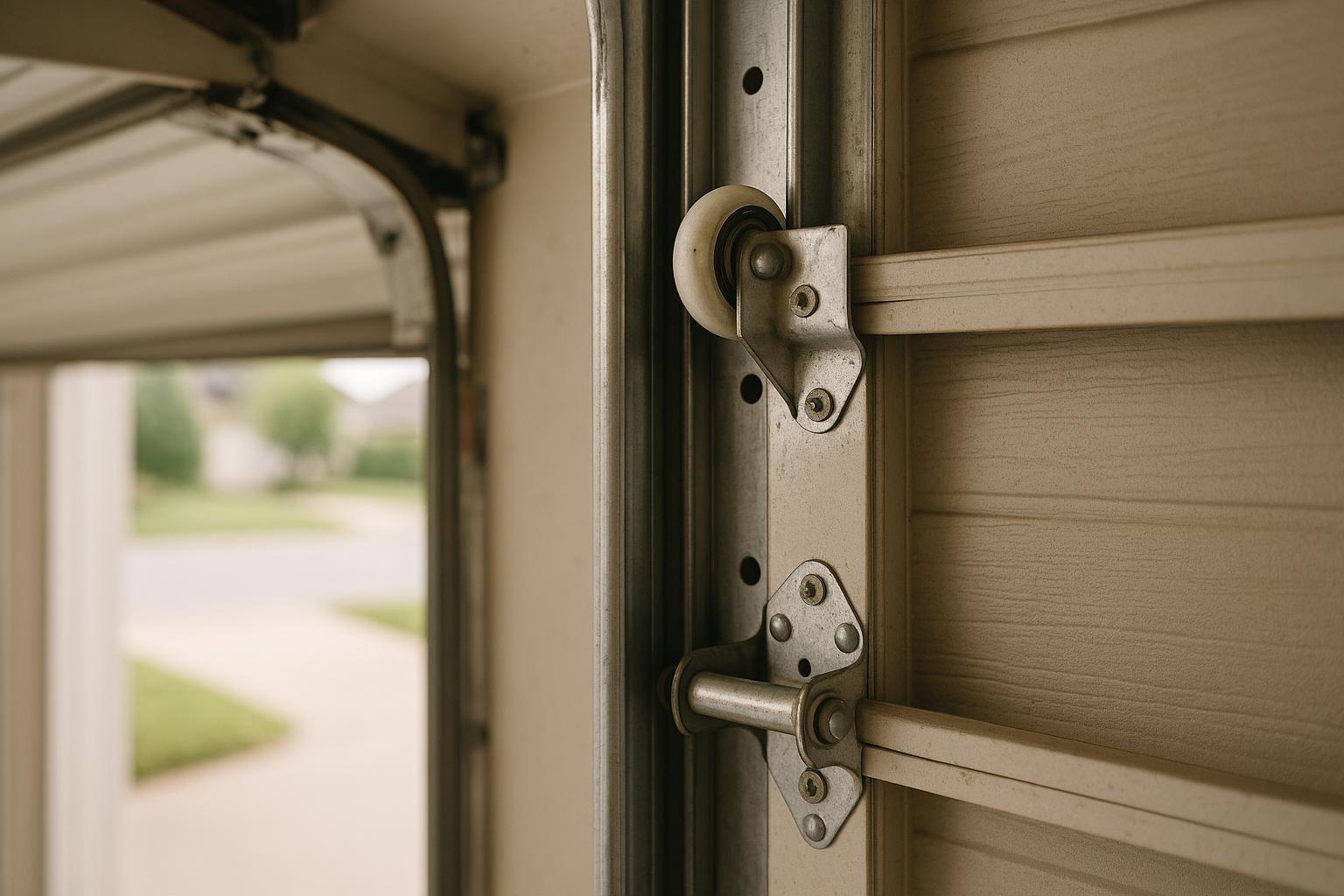
When Your Garage Door Starts Talking, You Should Listen
You press the button on your garage door opener, and instead of the smooth, quiet hum you're used to, you hear something unsettling. Maybe it's a loud grinding noise. Maybe it's a high-pitched squeal. Or maybe it sounds like something is about to snap.
A noisy garage door is more than just an annoyance — it's often an early warning sign that something needs attention. If you're a homeowner in Union City and your garage door has started making strange sounds, this guide will help you figure out what's going on and what to do about it before a minor issue turns into a major repair.
Common Garage Door Noises and What They Mean
Not all garage door noises are created equal. The type of sound your door makes can tell you a lot about what's happening behind the scenes. Here's a breakdown of the most common noises and their likely causes.
Squealing or Screeching
A high-pitched squeal when your garage door opens or closes is one of the most common complaints we hear from homeowners. This sound usually points to one of two issues:
- Dry or worn rollers: Metal rollers that haven't been lubricated in a while will scrape against the tracks, creating that painful screeching sound. Nylon rollers are quieter by nature, but even they can wear out over time.
- Lack of lubrication on hinges and bearings: Every moving part on your garage door system needs periodic lubrication. When metal rubs against metal without any protective layer, it creates friction and noise.
The fix is often straightforward — a proper lubrication of all moving parts can eliminate the squeal entirely. However, if the rollers are visibly worn or cracked, they'll need to be replaced.
Grinding or Scraping
A grinding noise is harder to ignore and usually indicates a more serious problem. Common causes include:
- Misaligned tracks: If your garage door tracks have shifted even slightly, the door can scrape against them as it moves. You might also notice the door moving unevenly or getting stuck partway.
- Worn gears in the opener: If the grinding sound is coming from the motor unit rather than the door itself, the drive gear inside your garage door opener may be stripped or worn out. This is especially common in older chain-drive openers.
- Damaged or bent rollers: Rollers that are bent or broken won't glide smoothly along the track, creating a rough grinding sound with every cycle.
Grinding noises should be addressed quickly. Continuing to operate a garage door with misaligned tracks or damaged components can cause further damage and potentially create a safety hazard.
Banging or Popping
Sudden loud bangs or popping sounds can be startling, and for good reason — they often signal a problem with your garage door's torsion springs or panels.
- Spring tension issues: As torsion springs wind and unwind, they can sometimes shift on the shaft, creating a loud popping or banging noise. This can also happen when springs are nearing the end of their lifespan.
- Loose hardware: Over time, the nuts, bolts, and brackets on your garage door can loosen due to the constant vibration of daily use. Loose hardware allows panels and components to shift and bang against each other.
- Panel damage: If a panel is dented, warped, or coming loose from the frame, it can create banging sounds as the door moves through its cycle.
Rattling or Vibrating
A persistent rattling sound is usually the easiest to diagnose. In most cases, it comes down to loose components — nuts, bolts, screws, or chain tension on the opener. A thorough tightening of all hardware and adjustment of the opener chain or belt usually resolves the issue.
However, rattling can also come from the garage door opener itself if it's not securely mounted to the ceiling. The vibration from the motor transfers to the mounting bracket and creates a noticeable rattle throughout the garage.
Ticking or Clicking
A rhythmic ticking or clicking sound often comes from the chain or belt on your garage door opener. If the chain is too loose, it can slap against the rail as the door moves. Similarly, a worn belt on a belt-drive opener can produce a clicking sound as it passes over the sprocket.
This is usually a simple adjustment, but ignoring it can lead to premature wear on the opener mechanism.
What You Can Do Before Calling a Professional
Some garage door noises have simple fixes that homeowners can handle safely. Here are a few things you can try:
- Lubricate all moving parts: Use a silicone-based or lithium-based garage door lubricant on the rollers, hinges, springs, and bearing plates. Avoid using WD-40, which is a solvent and not a long-term lubricant.
- Tighten loose hardware: Using a socket wrench, go over all the nuts and bolts on the door's brackets, hinges, and track mounts. Be careful not to overtighten.
- Visually inspect the tracks: Look for obvious bends, gaps, or debris in the tracks. Clear out any dirt or small objects that might be obstructing the rollers.
- Check the opener chain or belt: If it looks loose or saggy, consult your opener's manual for instructions on adjusting the tension.
These basic maintenance steps can resolve many common noise issues and are a good habit to adopt every few months.
When It's Time to Call a Professional
While lubrication and tightening bolts are safe DIY tasks, some repairs should always be left to a trained technician. You should call a professional if:
- The noise is coming from the springs — torsion springs are under extreme tension and can cause serious injury if handled incorrectly.
- Your tracks are visibly bent or misaligned — improper track adjustment can cause the door to come off the rails entirely.
- The opener motor is making internal grinding sounds — this usually requires disassembly and part replacement.
- You've lubricated and tightened everything but the noise persists — there may be an underlying issue that isn't visible without professional inspection.
- The door is moving unevenly, jerking, or getting stuck — these symptoms combined with noise often indicate multiple failing components.
At Union City Garage Door, we regularly help homeowners across Union City, Fremont, Hayward, and the surrounding Tri-City area diagnose and fix noisy garage doors. In many cases, what sounds like a major problem turns out to be a straightforward repair that we can complete in a single visit.
Don't Ignore the Warning Signs
Your garage door is one of the largest moving components in your home, and it cycles up and down hundreds of times a year. That kind of wear and tear is inevitable, but catching problems early — when they're still just a strange noise — can save you from expensive repairs or a complete door failure down the road.
If your garage door has been making unusual sounds and you're not sure what's causing them, don't wait until the problem gets worse. Give us a call or schedule a service appointment, and we'll get your door running quietly and reliably again.